

Why the Exhibitions That Compound Growth Are Built on Relationships, Not Reach?
By Ms. Jagriti Pandey (PhD Scholar) Project Lead - Futurex Trade Fair and Events Pvt. Ltd.

 There is a persistent fantasy in the events industry: that the right algorithm, the right platform, the right targeted ad campaign will finally crack the growth problem. If you can just reach enough people, they will come. That scale is a technology problem waiting for a technology solution. It isn’t.
After decades of evolution through economic downturns, a global pandemic, and the relentless rise of digital alternatives, the exhibitions that propagate are not the ones with the biggest email lists or the most sophisticated marketing stacks. They are the ones where a buyer trusts the seller across the aisle, where an attendee feels genuinely known, and where the show floor feels less like a marketplace and more like a homecoming. Human trust, it turns out, still beats digital reach. And it probably always will. Digital tools have transformed how exhibitions market themselves, manage registrations, and measure ROI. No serious organiser disputes this. But somewhere in the rush to adopt every new platform, a dangerous assumption took hold: that digital reach was a substitute for relationship depth, rather than a complement to it. You can retarget a prospect one hundred times and still lose them to a competitor whose sales director took them to dinner. Building a beautiful virtual showroom and still watching your live attendance erode because attendees no longer feel that the show knows them. Reach gets people to the door. Trust built face-to-face, sustained over the years, keeps them coming back.
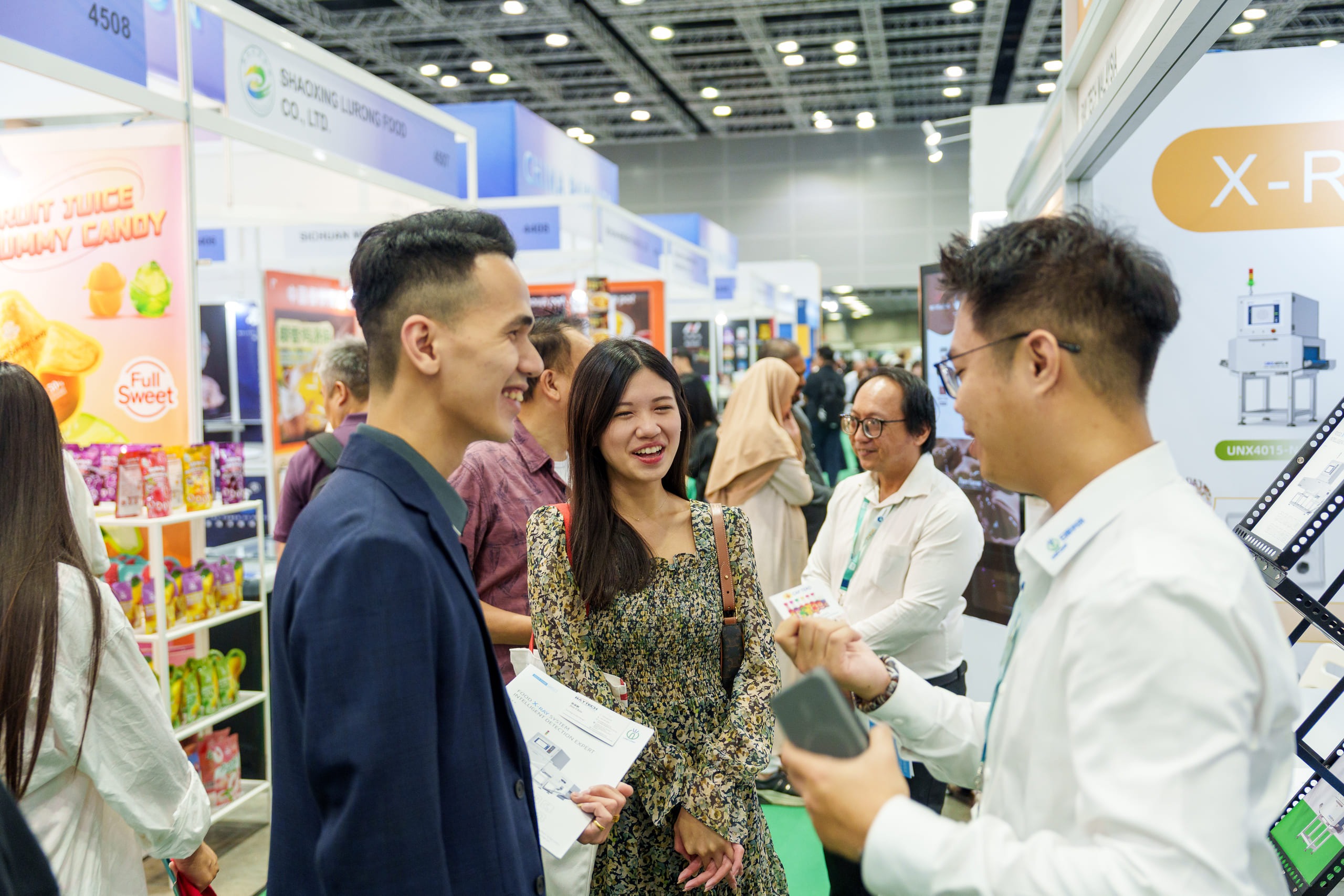
There is something that happens in a physical room that no digital format has yet replicated. A handshake carries information. Eye contact during a product demonstration signals confidence in ways a video call cannot. The texture of a product, the energy of a crowd, the serendipity of a hallway conversation with someone you were not scheduled to meet, and these are not soft, sentimental extras. They are the core mechanism by which business trust is built. A vendor you have met, whose team you have watched in action, whose product you have handled, that vendor is a known quantity. Every digital interaction before and after the show is an attempt to approximate what two minutes on the show floor delivers naturally.
Physical experience is not the delivery mechanism for the brand. It is a brand.
This is why the exhibitions that invest in the quality of the floor experience consistently outperform those that treat the physical event as a formality, bookended by digital campaigns.
Growth is a long game. The most common mistake young exhibition businesses make is treating each event cycle as a fresh acquisition challenge, a new campaign, new messaging, new outreach lists, as if the goal is to fill the room from scratch every year. The mature view is different. Each edition of a show is a deposit in a long-running relationship account. The exhibitor who has a good experience this year does not need to be acquired next year; they need to be retained, which is a fundamentally different and far less costly exercise. The attendee who found a genuine business connection at your show becomes, over time, a missionary for it. They bring colleagues. They recommend it to their networks. They give you the benefit of the doubt when logistics go wrong. Relationship continuity is not a retention strategy. It is the growth strategy.
The long bet is that Exhibitions that feel transactional will always struggle. They will chase trends, fight for share in crowded markets, and bleed margin trying to acquire their way to growth. There will always be a newer platform, a cheaper competitor, a shinier alternative. Exhibitions that feel like industry homes will compound. The relationships they enable create loyalty that marketing cannot buy. The trust they build attracts the next generation of exhibitors and attendees because the sector vouches for them. The community they cultivate becomes self-sustaining, which is harder to build, but far harder to displace.
The growth question for any serious exhibition is not how we reach more people, but it is how we become somewhere that people genuinely need to be.
Publish With Us: If you have a story, Interviews, buzzing news to be covered in TradeFairTimes Magazine and website then contact us at tft@exhicongroup.com and we will guide you through it.