

Collaboration Between Competing Shows is Inevitable!
𝘉𝘺 𝘔𝘴. 𝘑𝘢𝘨𝘳𝘪𝘵𝘪 𝘗𝘢𝘯𝘥𝘦𝘺 (𝘗𝘩𝘋 𝘚𝘤𝘩𝘰𝘭𝘢𝘳), 𝘗𝘳𝘰𝘫𝘦𝘤𝘵 𝘓𝘦𝘢𝘥- 𝘍𝘶𝘵𝘶𝘳𝘦𝘹 𝘛𝘳𝘢𝘥𝘦 𝘍𝘢𝘪𝘳 𝘢𝘯𝘥 𝘌𝘷𝘦𝘯𝘵𝘴 𝘗𝘷𝘵. 𝘓𝘵𝘥.

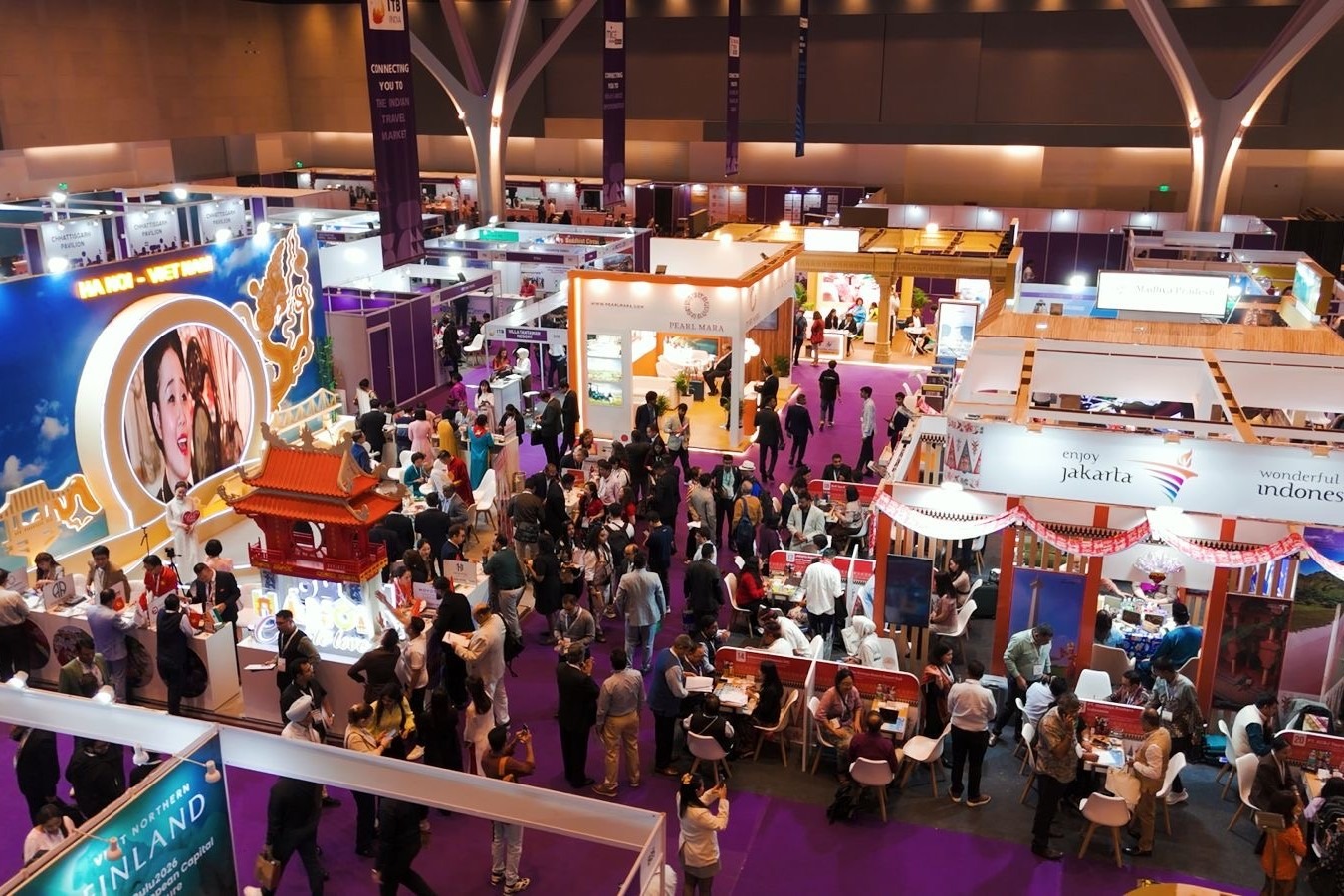
 It’s still taboo to say out loud in the exhibitions industry, but the data is starting to make the case for you. UFI’s latest Global Exhibition Barometer, which is based on nearly 470 companies across 59 countries and was released this July shows only 27% of organizers expect revenue growth above 5% annually, while 38% expect it to stay flat, and in the US the picture is tighter still: just 13% of American organizers predict revenue growth above 5%, with 73% forecasting flat revenue. That’s not a shrinking industry; UFI still counted roughly 32,000 exhibitions held worldwide in 2024, with rented space close to pre-pandemic levels, but it is a maturing one, and maturing markets change the economics of competition. When two shows are chasing a buyer pool that isn’t expanding, every dollar spent outbidding a rival for the same VIP badge is a dollar not spent growing the category, and that’s exactly the dynamic organizers are quietly working around: co-locating shows like MEDICA and COMPAMED so one trip covers two exhibitions, folding acquisitions into shared portfolios (Easyfairs absorbing Houston’s Energy Projects Conference & Expo, Hyve making its eighth acquisition since 2024, WTE Miami joining the Fairfest umbrella specifically to widen its buyer reach), and increasingly treating consolidation itself as the collaboration a handful of groups (Informa, RX, Clarion, Comexposium, Messe Frankfurt) now dominate a market still projected to grow at a 4.8% CAGR toward $53.7 billion by 2033, which only works if the biggest players stop bidding against each other for the same finite floor space and start sharing it. Pure head-to-head competition made sense when trade show attendance was expanding every year; in a market where 73% of US organizers are bracing for flat revenue, it’s an expensive way to protect a shrinking margin. The organizers who move first on shared buyer programs, aligned calendars, and cross-promoted audiences won’t look weaker for it; they’ll be the ones still standing when the next barometer comes out.
In India
India complicates the saturation argument interestingly, because it isn’t saturated at all. IEIA and JWC put the country’s exhibition growth at nearly 13% annually, well ahead of the global pace, with the market valued around $5.7 billion in 2025 and projected to reach roughly $8.4–9 billion by 2030–31. UFI’s COO Adeline Vancauwelaert at the India for MICE 2026 event recently noted India still holds only about 4% of Asia-Pacific’s venue capacity despite that growth, which tells you the constraint isn’t demand; it’s infrastructure. That changes what collaboration looks like on the ground. Instead of shows merging out of exhaustion, you’re seeing organizers coordinate because capacity is scarce and geo-cloning (the Indian industry’s term for replicating a proven show format city to city) is easier to pull off jointly than solo, especially outside the metros where venues remain limited. The clearest real-time example is World Events Economy Week itself: IEIA, IESA, and EEMA are normally separate bodies representing overlapping parts of the same industry, folded exhibitions, MICE, weddings, and the creative economy into one shared platform at HITEX Hyderabad this June rather than running competing calendars. Foreign majors are playing the same game locally: NürnbergMesse and Informa Markets operate India-specific arms that partner with domestic venues and associations rather than building parallel infrastructure from scratch. So, India’s version of the collaboration story isn’t “growth has stalled, so let’s share the pie”; it’s “growth is outrunning capacity, so let’s share the runway.” Same conclusion, different math.
Publish With Us: If you have a story, Interviews, buzzing news to be covered in TradeFairTimes Magazine and website then contact us at tft@exhicongroup.com and we will guide you through it.