

Technology Integration in Exhibition Operations – Let’s Talk About What’s Actually Changing!
By Ms. Jagriti Pandey (PhD Scholar) Project Lead - Futurex Trade Fair and Events Pvt. Ltd.

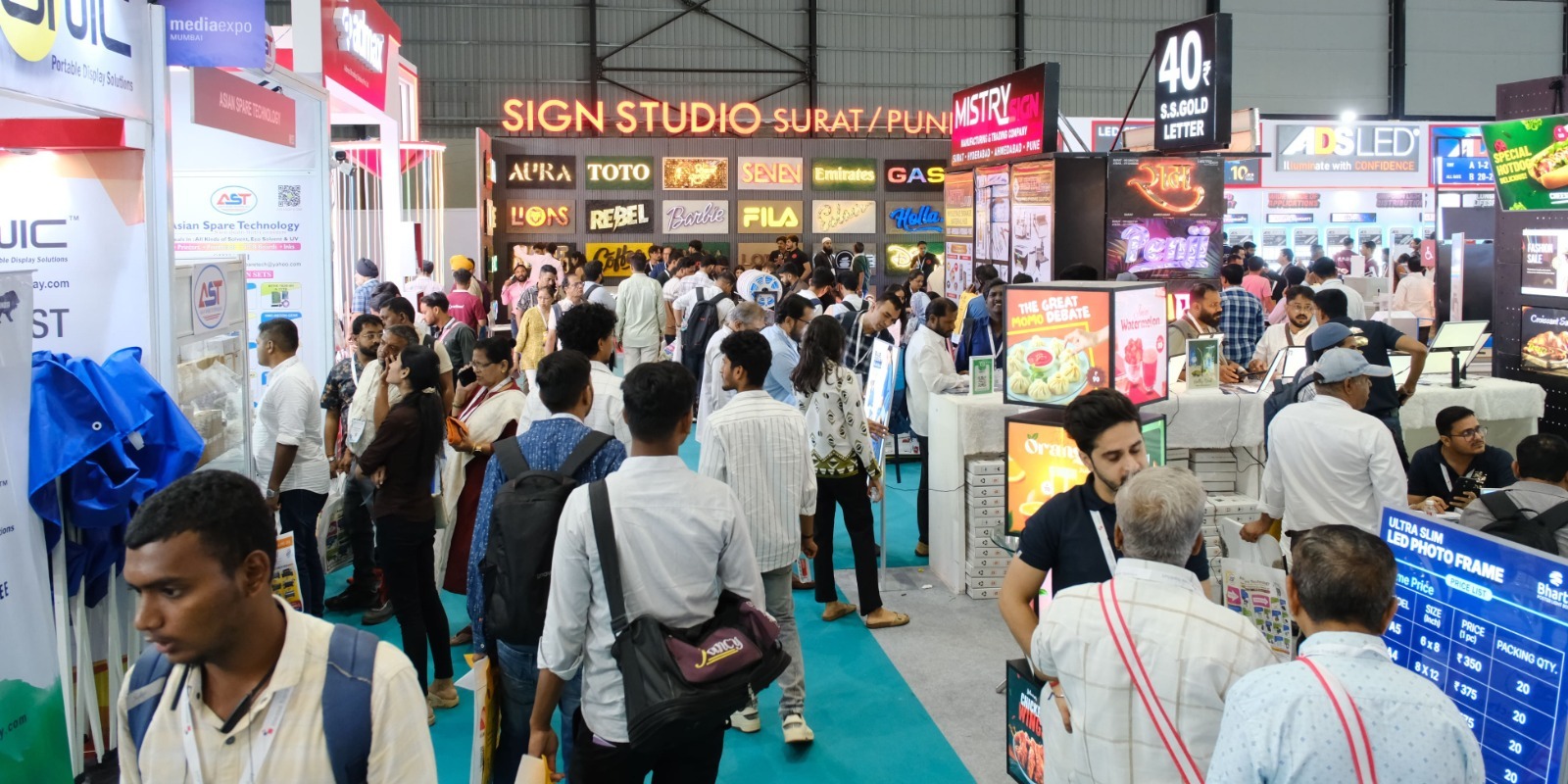
Let’s be honest. If you’re still running your show check-ins with printed name lists and a highlighter, you’re losing 20 minutes of goodwill before the first visitor even reaches the floor. QR-based check-in isn’t just a “nice upgrade,” it’s the difference between a chaotic opening hour and a smooth one. Exhibitors scan their phones, they’re in, done. And on your end? Every entry is timestamped, counted, and tracked automatically. No manual errors. No “sorry, I can’t find your name.” Just a clean start to the day.
Now, once people are inside, do you actually know what they’re doing? Because badge scanning analytics can tell you. Every time a visitor scans at a stall or a seminar, they leave a data point. Stack thousands of those data points across a two-day show, and suddenly you can answer questions you used to guess at. Which zones held people longest? Which exhibitor categories pulled the most repeat visits? Which sessions were half-empty by lunchtime? That’s not just interesting, that’s the information you need when you’re designing the next edition or justifying floor space pricing to a hesitant exhibitor. And while we’re talking about exhibitors, how many of them are still collecting business cards that end up crumpled in a jacket pocket, never followed up on? Lead retrieval systems fix exactly that problem. An exhibitor scans a visitor’s badge, tags them with a note right there on the spot, and that lead is already sitting in their system before the visitor has even moved to the next stall. The speed matters more than people realise. Following up in 24 hours versus 7 days can genuinely be the difference between a deal and a dead end. When exhibitors can walk away from your show with 200 clean, organised, actionable leads justifying next year’s participation to their management becomes a very easy conversation.
Now take all of that visitor tracking and go one level deeper, that’s where AI-based footfall analytics comes in. Cameras, machine learning, and live heat maps of your entire floor. You can see in real time where crowds are building, where things are quiet, and where a bottleneck is about to form. You make live decisions, move some signage, alert an exhibitor, and open a second entry point. Over multiple editions, this data becomes something genuinely powerful: a blueprint of how your audience actually moves through your show. That’s not something you can buy. You build it, edition by edition. Behind all of this, though, the technology that holds everything together is CRM integration for the exhibitor lifecycle. Because think about how an exhibitor relationship actually works it starts with a cold call, runs through booking, payment, stall allocation, design approvals, logistics coordination, on-site support, and ends (hopefully) with a renewal conversation. Without a CRM, that entire journey lives across WhatsApp threads, email inboxes, and somebody’s memory. With one, every touchpoint is logged, every deadline is tracked, and no exhibitor quietly slips away between editions because nobody remembered to check in with them.
And finally, the one that your operations team will thank you for most, the WhatsApp bot for exhibitor support. In the two weeks before your show opens, how many times does someone call to ask where they can collect their badge? Or what time does setup begin? Or whether they can bring an extra table? The same 15 questions, asked by 200 different people. A WhatsApp bot handles all of it, 24 hours a day, in the exhibitor’s own language, without pulling a single team member away from work that actually needs a human. The exhibitors get instant answers. Your team gets their evenings back. And the whole pre-show experience, which sets the tone for everything, feels professional, responsive, and organised.
Put all six of these together, and you’re not just running a more efficient show. You’re building something that exhibitors can measure, trust, and want to come back to. And in this industry, that’s the whole game.
So What Does All of This Actually Cost? This is usually the question that gets asked last but matters most. The good news? You don’t need a massive budget to start. Most of these tools are surprisingly accessible; the expensive version of each exists, but so does a very workable starter version.
QR-based check-in is where you’ll spend the least. Most event management platforms bundle check-in functionality into their base plans, which can start from as little as ₹15,000–30,000 per show for a mid-size exhibition. If you’re already using a registration platform, there’s a good chance this is already included, and you’re just not using it yet.
Lead retrieval is where costs vary the most. Hardware rental scanners from show-specific providers can cost ₹25,000 – 40,000 per device per event. App-based solutions are far more economical than annual licences for a good tool, typically running ₹5,000 – 15,000 per user per year, which becomes very cost-effective if your team is doing multiple shows. For most Indian mid-size exhibitions, the sweet spot sits around ₹4,000 – 12,000 per show per exhibitor, and many smart organisers bundle it as a premium add-on, turning what is a cost into an additional revenue line.
Badge scanning analytics rarely come as a separate bill. It’s typically embedded within whichever event management platform you’re already using, so once your check-in infrastructure is in place, the analytics come along for the ride at no extra cost.
AI footfall analytics is the biggest investment of the six. Camera setup, software licensing, and live monitoring support mean you’re looking at ₹1.5 – 3 lakh for a mid-size show. That sounds significant until you realise that a single exhibitor renewal by the data you can now put in front of them often pays for the entire system.
CRM is one area where you genuinely don’t need to spend much to start. Free tiers on popular platforms are genuinely useful for small teams just getting started. As your needs grow, a paid plan built around the exhibition lifecycle typically runs ₹2,000 – 8,000 per month. The truth here is that the ROI has less to do with which tool you pick and more to do with whether your team actually uses it consistently.
WhatsApp automation costs come from two places: the platform you use to build your bot, and Meta’s per-conversation API fees. For an Indian exhibition managing 200 – 300 exhibitors, a monthly platform subscription runs roughly ₹3,000–8,000, with API charges adding about ₹1 – 2 per conversation. A pre-show support bot handling 500 conversations costs under ₹5,000 to run, less than what it costs to have one team member spend a week manually answering the same questions over and over.
All in, a first-time technology setup covering all six areas for a mid-size Indian trade show can be done for somewhere between ₹3 – 6 lakh per show. That’s not a trivial number but weigh it against the cost of losing exhibitors because your show felt outdated, or a sales team buried in manual work that should have been automated months ago. Suddenly, it’s not a cost question at all. It’s an investment decision. And a fairly straightforward one at that.