

EAW Global Aqua Expo 2026: Driving Innovation and Collaboration in India’s Water Sector
By Neetu Nigam, TFT Delhi Correspondent

India is home to nearly 18% of the world’s population but possesses only about 4% of the world’s freshwater resources. Approximately 600 million people in the country face high to extreme water stress, according to the World Resources Institute.
The Indian government’s Jal Jeevan Mission was envisioned to provide safe and adequate drinking water through individual household tap connections to every rural household by 2024. However, challenges remain. Even in the national capital, Delhi, access to clean and reliable water continues to be a concern. Several residential societies and colonies still receive foul-smelling, contaminated water, while some areas face water shortages for days at a time.
Despite these challenges, significant efforts are being made across the country to address water-related issues and develop sustainable solutions.
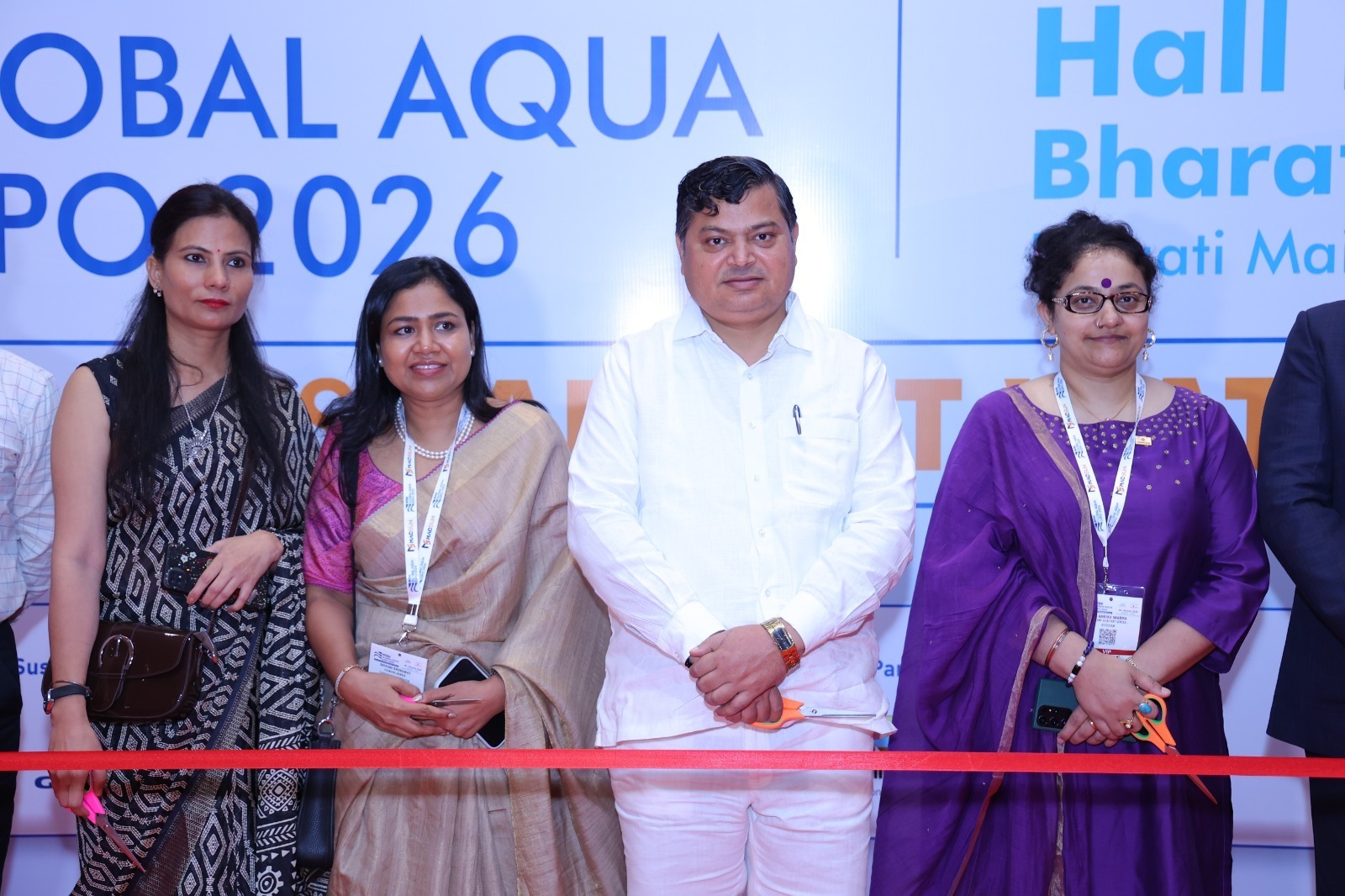
Delhi recently hosted the three-day EAW Global Aqua Expo 2026 at Bharat Mandapam, bringing together more than 150 exhibitors from India and overseas. The exhibition showcased advanced technologies and innovative solutions aimed at solving water-related challenges across the country.
The event highlighted the latest technologies, sustainable solutions, and emerging business opportunities in the water sector. It brought together manufacturers, technology providers, consultants, researchers, government officials, and investors from around the world to discuss, discover, and deploy innovations that can redefine water management.
Jharkhand Looking Towards Technology-Led Solutions:

TFT Delhi Correspondent Neetu Nigam met Mr. Om Prakash, Consultant at the Sustainable Commerce Forum, at the Jharkhand Pavilion.
Speaking about the expo, Mr. Prakash said:
“From Jharkhand’s perspective, this is definitely a beneficial platform. The government’s core vision now needs an upgrade, and for that, it must seek support from industry experts and technology providers. That is why we came here—to connect with industry leaders and learn about emerging technologies. We have gained valuable insights, especially regarding new technologies in Sewage Treatment Plants (STPs). We also explored advanced motor technologies from companies like Grundfos. So far, the company has not participated in projects in Jharkhand, but perhaps that may happen in the future.”
Discussing Jharkhand’s water challenges, he explained:
“The issue in Jharkhand is not the availability of water; the challenge is retaining it. Water does not remain on the surface long enough to seep into the ground and recharge groundwater reserves. Therefore, we need technologies and infrastructure such as dams and water-retention systems to conserve water effectively. If we fail to retain water, groundwater levels will continue to decline. We need to strengthen our water resources through proper planning and technology.”
Mr. Prakash further stated that the Jharkhand government is actively exploring technological partnerships.
“We invited several companies we met at the expo to visit Jharkhand, conduct surveys, and assess potential solutions. We will issue tenders, and interested companies can participate. There is a lot of work to be done, and collaboration between consultants, government agencies, and technology providers is essential.”
Among the exhibitors, he particularly appreciated companies such as “PESPL Enviro Solutions Private Limited”, “Grundfos”, and firms working with “nanobubble technology”.
“Our team visited almost every stall, collected brochures, and gathered information from exhibitors. Once I return, I will review all the material, prepare detailed notes, and draft a comprehensive report for the ministry. The report will cover the participating companies, technologies showcased, and potential applications for Jharkhand.
Personally, I found the expo extremely useful, and if it is organized again in the future, we will certainly participate to explore more innovations in the water sector.”
Industry Calls for Stronger Government Support
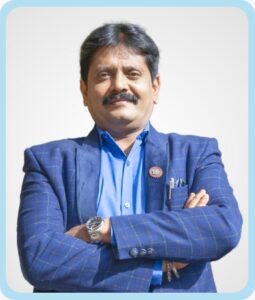
TFT also spoke with Mr. Vijayraj Shisodya, Director of Rainy and recipient of multiple national and international awards, including the “CII Most Innovative Water Saving Product Award” and the “JSW–The Times of India Earth Care Award” (twice).
Mr. Shisodya highlighted the gap between policy announcements and implementation.
“On one hand, the government is promoting campaigns such as ‘Save Water’ and ‘Catch the Rain.’ However, when we examine the ground reality, there is often a significant gap between words and action.
Rainwater harvesting filters currently attract 18% GST. The question is: who will buy them at that rate? The government should subsidize rainwater harvesting technologies in the same way it supported the adoption of solar panels. Otherwise atleast reduce GST 18% to 5%. If such support is provided, homeowners will consider installing these systems while constructing their houses.”
Referring specifically to Delhi’s recurring water crisis, he added:
“Every year we read headlines about Delhi’s water crisis. Yet, in many cases, outdated approaches continue to be used without fully considering Delhi’s geographical conditions. We have shared our suggestions, but implementation remains a challenge.”
Delhi Jal Board Exploring New Technologies
TFT also interacted with Mr. Sudhanshu, a representative at the Delhi Jal Board stall, regarding technologies showcased at the expo and future plans for Delhi.
He said:
“We have seen several promising technologies at the expo. One of the most interesting solutions is a rainwater harvesting kit currently displayed in the MSME section. We were impressed by the concept and have invited the company to submit its research and development report to the Delhi Jal Board. I plan to introduce them to our senior leadership, including the Chief Engineer. In fact, our officials visited the stall yesterday and showed considerable interest. If discussions progress positively, we will explore implementing the technology across Delhi.”
He also noted that the expo exposed the Delhi Jal Board to several technological upgrades.
“We came across advanced valves, pipes, membranes, and other equipment. Some of these technologies were either new to us or we had limited exposure to them. We have invited the companies to present their proposals, after which we will evaluate opportunities for collaboration.”
Discussing wastewater management, Mr. Sudhanshu explained:
“We are currently planning around 20 new Decentralized Sewage Treatment Plants (DSTPs). Our objective is to intercept drains flowing into the Yamuna River and treat the wastewater before it enters the river. Instead of untreated sewage flowing directly into the Yamuna, it will be treated and released as cleaner water. This will benefit both the Yamuna and Delhi in the long term.”
He further emphasized the growing importance of wastewater reuse.
“Several companies are promoting technologies that allow greywater—water from baths and washing activities—to be treated and reused for flushing, gardening, and construction. We are working on a similar concept on a larger scale. Water treated at our Sewage Treatment Plants (STPs) was previously used mainly for horticulture. Now, we are upgrading treatment levels so that this water can also be used for construction activities and supplied to agencies such as the PWD, DDA, and NDMC. Except for drinking purposes, treated water can eventually be utilized for almost all non-potable applications.”
Delhi Jal Board Rejects Claims of Outdated Engineering
When asked about criticism from some exhibitors that Delhi Jal Board’s engineering systems require major modernization, Mr. Sudhanshu strongly disagreed.
“No, I completely disagree with that statement. We have actively engaged with several innovative organisations and young professionals to modernise our operations. We have collaborated with institutions such as IIT Kanpur through the Airawat Foundation, IIT Delhi, and international organisations such as JICA (Japan International Cooperation Agency), which is currently working on the Chandrawal Water Treatment Plant project. Therefore, it would be incorrect to say that our systems are outdated. We continuously strive to adopt the latest technologies and improve our infrastructure.”
As India continues to face growing water stress, platforms such as the EAW Global Aqua Expo 2026 are playing an important role in connecting governments, industries, researchers, and innovators. The event highlighted not only the challenges facing the country’s water sector but also the opportunities for collaboration and technological advancement that could help secure India’s water future.
Water technology is advancing rapidly, surpassing our expectations. During the expo, various innovative solutions were demonstrated, such as devices that produce drinking water directly from the air. The water they generate tastes as pure and fresh as purified RO water. As these technologies become more affordable and popular, we might soon see such machines in public areas, offering safe drinking water and alleviating pressure on traditional water sources.