

Beyond the Ballot: EEMA’s Historic Election and the Next Decade of India’s Experience Economy

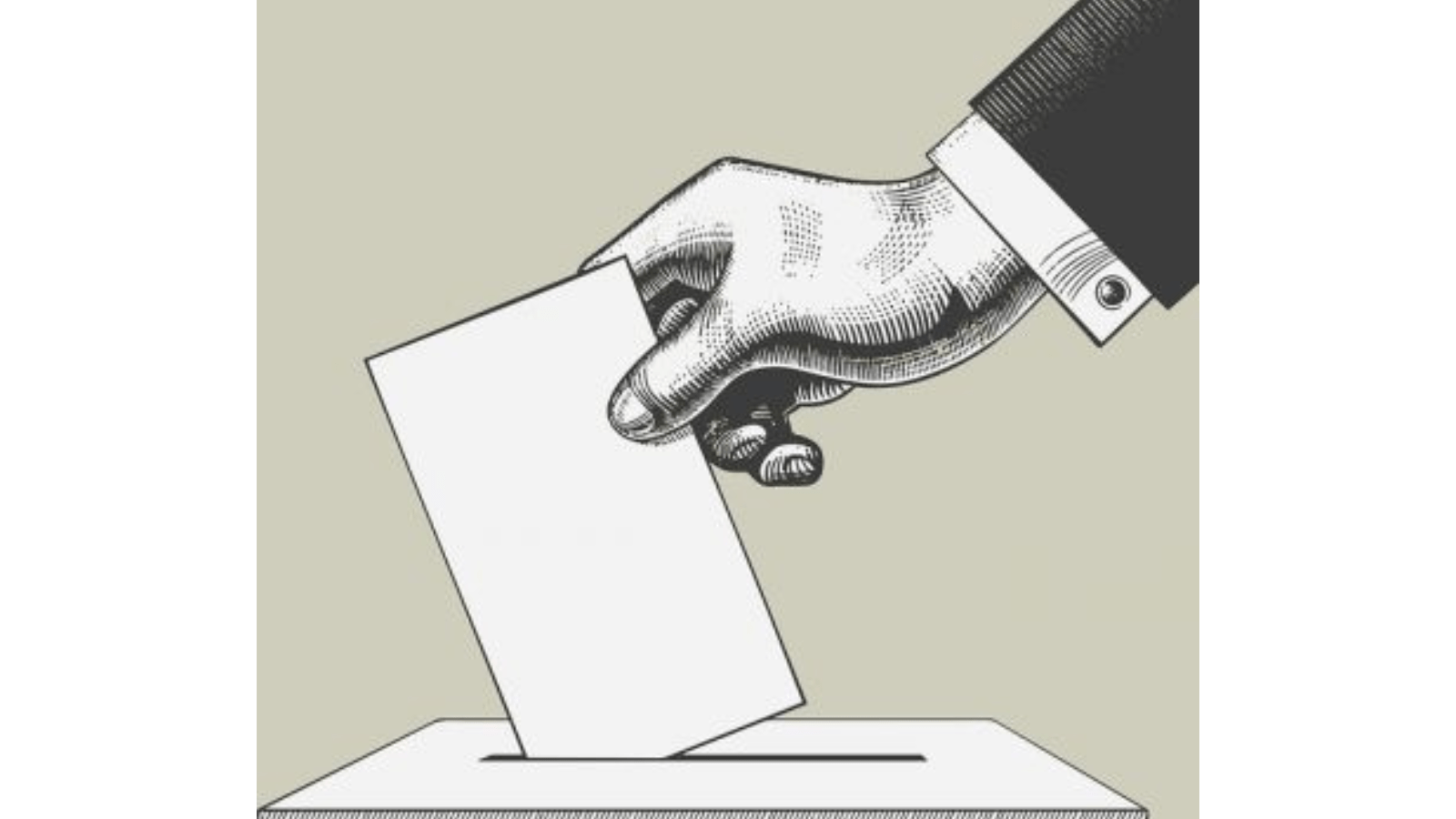
For the first time in its history, the Event and Entertainment Management Association (EEMA) is witnessing a presidential election with seven candidates contesting for the association’s top post. While the contest itself is historic, the bigger story is what comes after the votes are counted.
This election is not merely about choosing a president. It is about defining the future of India’s rapidly expanding Experience Economy, an ecosystem that spans live events, exhibitions, MICE, weddings, entertainment, sports, festivals, brand experiences, concerts, destination marketing and experiential tourism.
EEMA, established in 2008, has evolved into India’s apex body for the events and experiential industry. Today, the industry comprises more than 1,000 organised companies operating across over 100 Indian cities, bringing together event management companies, experiential marketers, MICE specialists, wedding planners, sports management firms, entertainment professionals and service providers.
Perhaps more importantly, EEMA members are estimated to represent nearly 80% of the organised revenues of India’s events and experiential industry, making the association the industry’s most influential collective voice.
The Rise of India’s Experience Economy
India is entering what many economists call the Experience Economy, where consumers increasingly value memorable experiences over material possessions.
Corporate India is investing more in employee engagement, product launches and brand activations. International concerts are filling stadiums. Weddings have become billion-dollar celebrations. Religious tourism is reaching record highs. Convention centres are being built across the country, while state governments are aggressively bidding for global events.
According to EEMA’s own industry outlook, the broader experiential industry today is estimated at around ₹5 lakh crore and continues to grow at an average annual rate of nearly 20%, making it one of India’s fastest-growing service sectors.
This growth is being fuelled by:
- Rising disposable incomes
- A young demographic seeking experiences
- Growth in domestic tourism
- Government investment in convention infrastructure
- Expansion of international exhibitions and conferences
- Digital technologies transforming live experiences
The Next President’s Real Mandate
Whoever wins the election will inherit an association that has never had greater opportunity—or greater responsibility. The industry’s priorities extend far beyond annual conventions and networking events.
Among the most pressing issues are:
- Securing greater policy recognition for the events and experience industry
- Developing national standards for safety, sustainability and professionalism
- Creating structured skill development programmes
- Strengthening engagement with Central and State Governments
- Positioning India as a preferred destination for global conventions, exhibitions and live events
- Building stronger data and economic impact measurement for the sector
Seven Candidates, One Industry
Competitive elections are healthy for any institution. The presence of seven candidates reflects the growing stature of EEMA and the willingness of industry leaders to shape its future.
However, once the ballots are counted, the campaign must give way to collaboration.
The incoming president should draw upon the strengths of all six fellow candidates—whether through advisory councils, task forces or strategic committees. The industry’s challenges are too significant for any one leader or one company to solve alone.
The Industry Is Watching
The outcome of this election will be remembered not because of the margin of victory, but because of what follows.
If the new leadership can unite members, strengthen policy advocacy, embrace innovation and elevate professional standards, this election could become a defining milestone in EEMA’s journey.
India’s experience economy is expanding faster than ever before. The question is no longer whether the industry will grow.
The question is whether EEMA can evolve into the institution that leads that growth—not just for its members, but for the entire ecosystem.
Because presidents are elected for a term.
Institutions are built over generations.
Publish With Us: If you have a story, Interviews, buzzing news to be covered in TradeFairTimes Magazine and website then contact us at tft@exhicongroup.com and we will guide you through it.