

From Concept to Construction: Zainab Rizvi on Designing and Executing Modern Exhibition Spaces
Sharing her professional insights, Zainab Rizvi of Exhicon Events Media Solutions Ltd explores the transformation of exhibition infrastructure in India. She reflects on her career, the complexities of executing large-scale hangar projects and the balance between structural efficiency and design innovation.

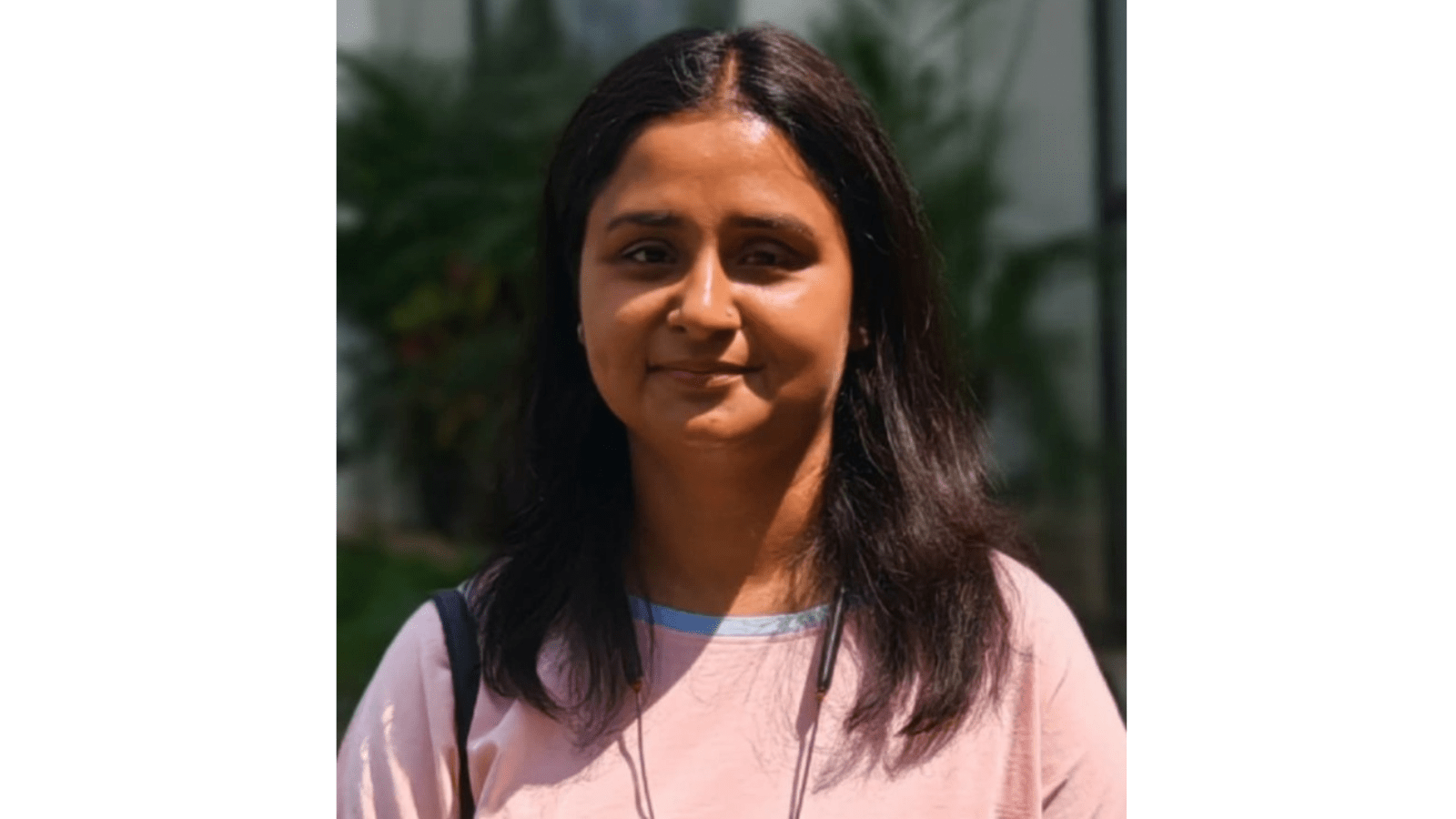
TFT: You have led several key projects at IEML and other locations. Could you walk us through some of the most significant executions and what made them stand out?
ZR: We are developing 30,000 Sqmt AC indoor Space in IEML in 2 phases wherein 3 separate multipurpose Exhibition halls will be developed (2 are almost completed for Handover), this will be one of its kind -using MS structure & Tensile roofing, all these structures can be easily dismantled and shifted as they are on Nut Bolt System. These structures are of low maintenance cost & made considering less carbon footprints.
TFT: What were the core design and infrastructure challenges you encountered while working on projects, and how did your team address them?
ZR: Designing exhibition halls with MS (mild steel) structures and tensile roofing looks flexible on paper, but in reality, it’s a coordination-heavy, high-risk exercise. The biggest challenges usually come from scale, speed, and environmental exposure.
- Structural stability vs. large column-free spans
Exhibition halls demand huge, obstruction-free spaces. Achieving this with MS structures without excessive deflection or vibration was a key challenge.
How we addressed it:
We optimized truss design (space frames/portal frames), used high-grade steel, and ran detailed load simulations (wind, live load, dynamic loads). Value engineering helped balance strength and cost.
- Tensile membrane behaviour & durability
Tensile roofs are sensitive to wind uplift, ponding, and long-term sagging. Poor detailing can lead to leaks or fabric fatigue.
How we addressed it:
We used pre-stressed membrane systems (PVC/PTFE), ensured proper curvature for water runoff, and collaborated with specialized tensile consultants for form-finding and anchoring systems.
- Weather resilience (especially in regions like North India)
Wind loads, heavy rain, and temperature variation create stress on both steel and fabric.
How we addressed it:
Site-specific wind tunnel data, robust anchoring, corrosion protection (galvanization/paint systems), and drainage planning were critical.
- Integration of services (MEP, HVAC, lighting, rigging loads)
Exhibition halls carry heavy temporary loads—LED walls, trusses, HVAC ducts—which weren’t always part of initial structural assumptions.
How we addressed it:
Early coordination with MEP teams, designing for additional rigging loads, and providing dedicated load-bearing points avoided last-minute reinforcements.
TFT: How is client brief translation evolving today, especially with increasing demand for immersive and experience-led environments?
ZR: Earlier, briefs were largely functional—area, height, load, timeline. Now they are experience-first: visitor flow, dwell time, visual drama, digital integration, and brand storytelling.
- From static briefs to dynamic experience mapping
Clients now talk in terms of “journey” rather than “space.”
We translate this by creating zoned layouts—entry impact zones, high-energy display areas, quieter networking pockets—while ensuring the MS structure supports large spans and flexible circulation without obstructions.
- Flexibility and modularity as core design drivers
Clients want spaces that can transform between exhibitions, concerts, and summits.
We respond by designing modular MS frameworks and adaptable tensile systems that allow quick reconfiguration without major structural changes.
- Tensile roofing as an experiential element, not just cover
Earlier it was just shelter; now it’s part of the visual identity.
Form-finding is driven by light play, translucency, and brand expression, while still solving for drainage, insulation, and durability.
TFT: Can you share insights into any upcoming projects or developments that you are particularly excited about?
ZR: In line with the success and learnings from developments such as India Expo Mart, we are currently spearheading the development of a state-of-the-art Multipurpose Exhibition & Events Venue in Mohali, Punjab.
This project is particularly significant as it is being developed under a Public-Private Partnership (PPP) model in collaboration with Greater Mohali Area Development Authority, marking a first-of-its-kind initiative for the region.
Long-Term Strategic Outlook
Our vision is to contribute towards strengthening India’s MICE and exhibition ecosystem by:
- Creating next-generation exhibition infrastructure
- Enabling regional economic growth through event-led development
- Developing scalable, sustainable, and future-ready venues
TFT: How is Exhicon positioning itself to support the next phase of growth in India’s exhibition and convention infrastructure?
ZR: Exhicon is positioning itself very deliberately for the next phase of India’s exhibition and convention infrastructure growth—not just as an event executor, but as a fully integrated infrastructure developer, EPC player, and ecosystem builder.
We have evolved from a traditional exhibition services company into a 360° infrastructure-driven organization.
- Offers end-to-end capabilities: from concept, design, engineering, fabrication to execution
- Active in temporary, semi-permanent, and permanent venue development
- Among the few players in India providing the complete lifecycle of exhibition infrastructure
Strategic Partnerships for Large-Scale Venue Expansion
Development of new large-span indoor exhibition halls (~24,000+ sqm)
Focus on future-ready, scalable infrastructure for global events
Expansion aimed at enabling larger exhibitions and smarter event formats
TFT: What advice would you give to young professionals aspiring to build a career in exhibition design and project execution?
ZR: A career in exhibition design and project execution is exciting—but it’s also one of the most demanding, deadline-driven, and multidisciplinary fields.
Don’t limit yourself to just design.
Respect Timelines Like Everything Depends on It (Because It Does)
Early in your career, don’t chase titles—chase exposure
Even if you’re a designer, thinking like a project manager will accelerate your growth
Communicate as a Superpower because Many projects fail not due to design—but due to poor communication.
If you enjoy dynamic, on-ground work—you’ll thrive. If not, it can feel overwhelming.